

Why PLA fails outdoors in Malta, and what to use instead
PLA softens from around 60°C and degrades under UV. A parked car in Malta reaches that easily. Here is what actually survives a summer here.
Matthew
MATERIALS
Strength, heat, UV exposure and flex all change the right answer. We pick the filament to suit the job rather than defaulting to one.
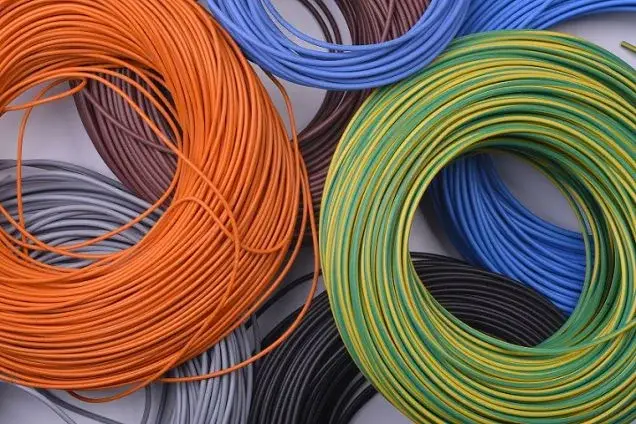
THE FIVE WE USE MOST
Prototypes, gifts, and display pieces.
Easy to print and dimensionally accurate, with the cleanest surface finish of the five. Softens from around 60°C and degrades under UV, so it belongs indoors. Best for visual prototypes, display pieces and gifts.
Stronger everyday parts and storage.
Tougher and more temperature-tolerant than PLA at around 80°C, with good moisture resistance and an easily wiped surface. Our default for functional parts, storage and splash-zone use.
Outdoor and UV-exposed parts.
The outdoor material. UV-stable, colour-fast and heat-tolerant to around 100°C, so it holds up to Malta’s combination of strong sun and coastal air without yellowing or becoming brittle. The right choice for anything that lives permanently outdoors.
Tougher, heat-resistant components.
Impact-resistant and heat-tolerant to around 100°C. Suited to mechanical components and enclosures that see real stress. Less UV-stable than ASA, so prefer ASA for anything outdoors.
Flexible parts and toys.
A flexible rubber-like filament, typically around Shore 95A, that stretches rather than snaps. Used for grips, gaskets, protective parts and flex toys.
| Property | PLA | PETG | ASA | ABS | TPU |
|---|---|---|---|---|---|
| Softens from (glass transition) | ~60°C | ~80°C | ~100°C | ~105°C | ~80°C |
| Tensile strength | ~50 MPa | ~50 MPa | ~44 MPa | ~40 MPa | ~30 MPa |
| Impact resistance | Low | Good | High | High | Very high |
| UV stability (outdoor) | Poor | Fair | Excellent | Fair | Good |
| Moisture resistance | Fair | Very good | Very good | Good | Good |
| Surface finish | Excellent | Very good | Very good | Good | Fair |
| Flexibility | Rigid | Rigid | Rigid | Rigid | ~Shore 95A |
| Use it for | Display, gifts, indoor prototypes | Functional parts, storage, splash zones | Outdoor, permanent sun exposure | Mechanical parts, enclosures | Grips, gaskets, flex toys |
| Don't use it for | Anything outdoors or hot | Permanent UV exposure | Cost-sensitive indoor parts | Outdoor UV exposure | Rigid structural parts |
These are typical published values for standard filament grades, compiled from manufacturer technical datasheets. Real printed performance varies — sometimes substantially — with the specific grade and supplier, print orientation relative to the load, layer height, wall count, infill and nozzle temperature. A part printed flat and the same part printed upright can differ by a wide margin in strength along the load axis. Treat the table as a guide to material selection rather than as design values. If your part has a load, temperature or safety requirement to meet, tell us and we will work from the datasheet for the exact grade we intend to run.
Last reviewed .
QUESTIONS
FROM THE BLOG
PLA softens from around 60°C and degrades under UV. A parked car in Malta reaches that easily. Here is what actually survives a summer here.

Strong enough for most jobs, and it depends far more on which way it was printed than on which plastic it came from. Here is what actually decides.

The honest answer is that the plastic is usually the least of the problem. Here is what we will and will not print for anything that touches food.
Tell us where the part will live and what it has to survive. We will recommend the filament and explain why.