
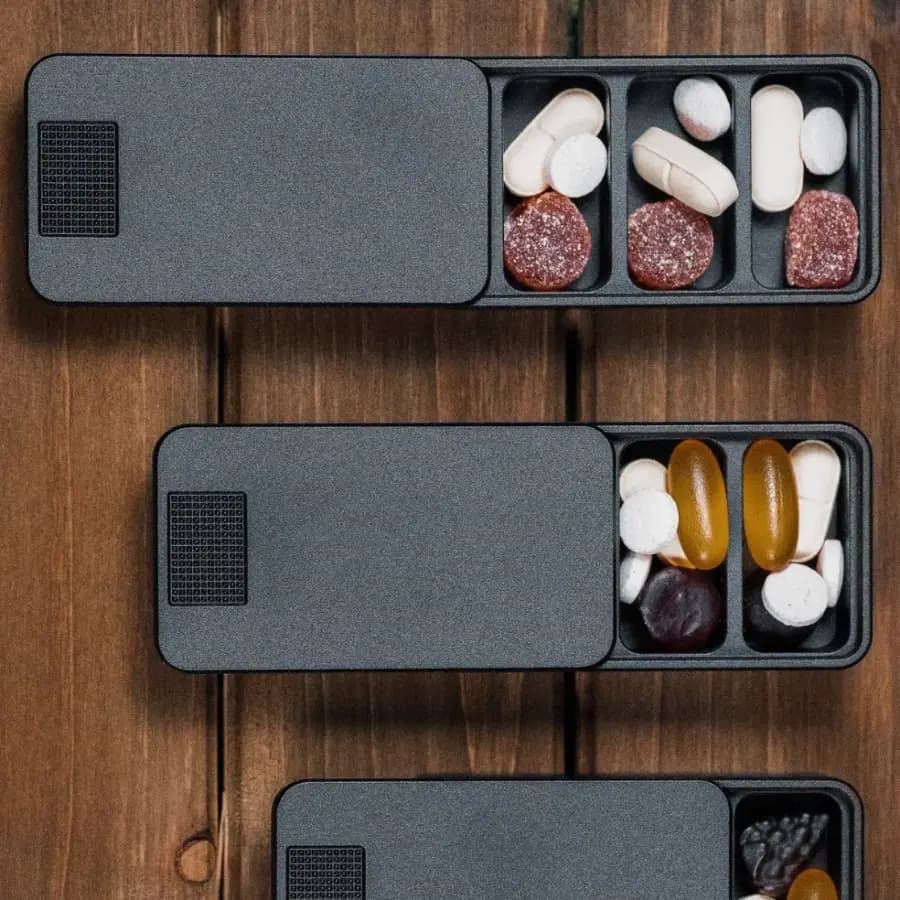

Is 3D printed plastic food safe?
The honest answer is that the plastic is usually the least of the problem. Here is what we will and will not print for anything that touches food.
Matthew
TOYS & LEARNING
Creative 3D printed items for schools, events, learning activities, flex toys, toddler concepts, and custom goodie bags.
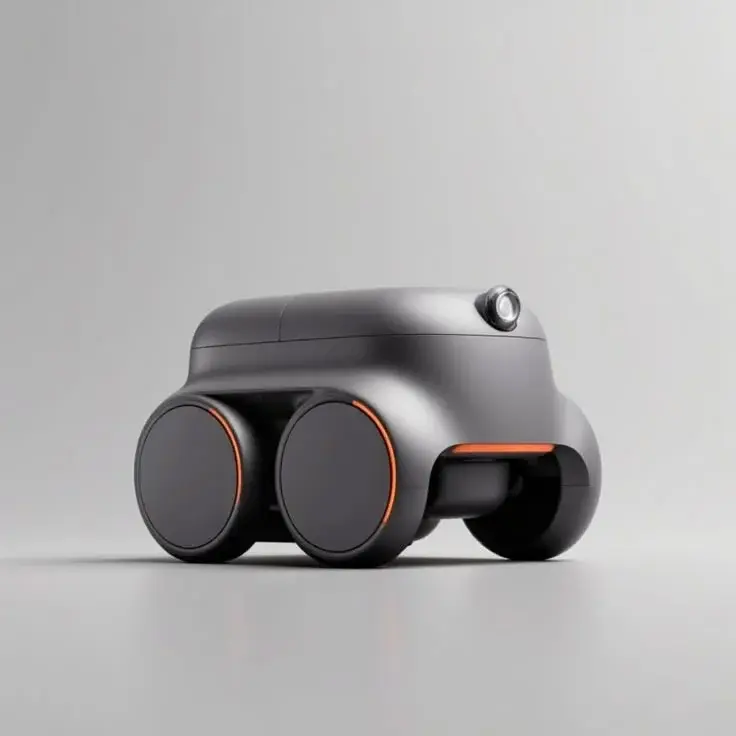
DESIGNED FOR PLAY, LEARNING, AND GIFTING
From flexible fidget-style toys to classroom shape sets and personalised goodie bag items, 3D printing lets us create fun, custom pieces in small or bulk batches — ideal for schools, events, and family gifting.
Classroom sets and event goodie bags produced in bulk with consistent quality, coordinated to your date.
Custom names, colours, and small personalised touches for parties and school events.
Age suitability, material, finish, and choking hazard guidance should be confirmed per product.
SELECTED WORK



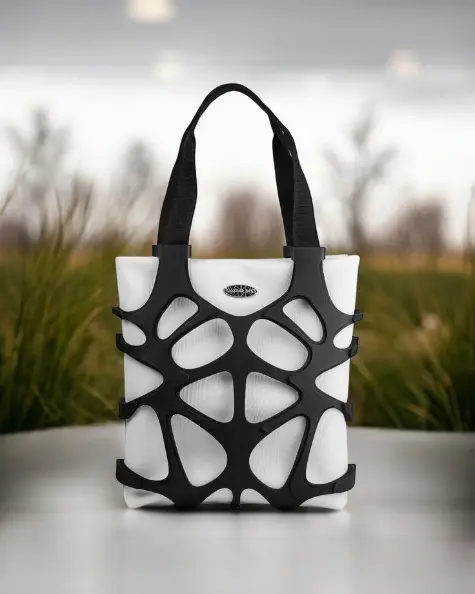
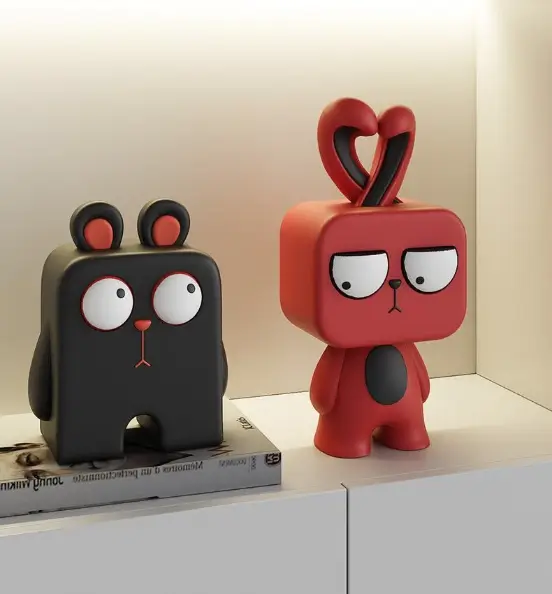

IN DETAIL
Mostly things that are hard to buy in the right quantity. Sets of manipulatives sized for small hands, geometric solids for maths, replacement pieces for expensive kits that lost one part, name tags and tray labels for a whole class, prize and sports-day pieces, and models of things a textbook only shows flat. 3DOME Malta produces these in class-size batches rather than the pallet quantities a supplier would need, which is usually the whole reason a school asks.
Anything intended for play by children under 14 falls under the EU Toy Safety Directive (2009/48/EC), which requires conformity assessment, technical documentation and a Declaration of Conformity before the CE mark can be applied. That is a real process, not a label. Items intended as classroom teaching aids for supervised use, or as keepsakes and prizes rather than toys, may fall outside it. 3DOME Malta assesses this per product before quoting and will tell you straight which side your item falls on — including when the honest answer is that we are not the right supplier for it.
By design decision, before printing. Small parts are the main risk for under-threes, so anything intended for that age group is designed above the small-parts threshold with no detachable components, and 3DOME Malta will refuse a brief that cannot meet it rather than print it with a warning label. For older age groups the constraint relaxes, but the age range still has to be agreed at design stage rather than assumed afterwards.
It depends far more on the material than on printing. PLA is rigid and gives clean detail but is brittle under repeated impact — fine for display models and shape sets, less so for something dropped daily. PETG takes knocks considerably better and is the usual choice for anything handled constantly. TPU is effectively unbreakable in this context because it flexes instead of snapping, which is why fidget and flex toys use it. Tell us how the item will actually be treated and we will pick accordingly.
Printed parts have visible layer lines. On learning shapes and fidget pieces that is normal and often welcome as texture, but it matters for anything that goes near a mouth or needs to feel finished. 3DOME Malta orients prints and adjusts layer height to reduce it, and can smooth or finish pieces where the brief calls for it. Worth raising at the start, because it affects both the design and the price.
TPU for flexible and fidget pieces — it bends rather than snapping, which makes it the most durable option here. PETG for items handled every day in a classroom. PLA for rigid learning shapes and display models where surface detail matters more than impact resistance. Age suitability, material, finish and choking hazard guidance are confirmed per product before production, and any item falling under the EU Toy Safety Directive goes through the applicable conformity assessment first.
Compare all materials →QUESTIONS
FROM THE BLOG
The honest answer is that the plastic is usually the least of the problem. Here is what we will and will not print for anything that touches food.

Strong enough for most jobs, and it depends far more on which way it was printed than on which plastic it came from. Here is what actually decides.

PLA softens from around 60°C and degrades under UV. A parked car in Malta reaches that easily. Here is what actually survives a summer here.
Tell us your quantity, the age group and your deadline, and we will quote the run.